
There’s something truly magical about the blend of crispy duck skin with a bright, tangy orange sauce—the kind of experience that makes this Duck à l'Orange Recipe a timeless kitchen treasure. It’s elegant without being complicated, and the balance of flavors always impresses guests and family alike.

Jump to:
Why You'll Love This Recipe
Making duck can feel intimidating, but this Duck à l'Orange Recipe breaks it down into simple steps that highlight the bird’s richness alongside a perfectly balanced orange sauce—the kind of dish that feels fancy yet totally doable.
- Simplified Traditional Flair: Uses only duck breasts, cutting cook time and complexity dramatically.
- Flavor Harmony: The sweet, zesty, and slightly spicy orange sauce complements the savory duck perfectly.
- Textural Delight: Crispy skin meets tender meat, making every bite impressive and indulgent.
- Perfect for Entertaining: It looks and tastes like a restaurant dish but doesn’t require hours in the kitchen.
Ingredients & Why They Work
The magic of this Duck à l'Orange Recipe lies in how a handful of ingredients come together to create layers of flavor—a harmony of savory duck, bright citrus, and just a touch of heat. Sourcing quality ingredients is key to nailing the balance and texture.

- Duck breast halves: Choose skin-on, bone-in for extra flavor and texture; make sure they’re fresh.
- Salt: Critical for seasoning and drawing out moisture for crispier skin.
- Chicken broth: Adds depth to the sauce without overpowering the orange notes.
- Orange liqueur (such as Grand Marnier®): Gives that signature boozy citrus kick that rounds the sauce beautifully.
- Sherry vinegar: Balances sweetness with acidity, brightening the sauce.
- Seville orange marmalade: Adds authentic bitter-sweet orange flavor; adjust to taste.
- Grated orange zest: Fresh zest provides aromatic oils that lift the sauce.
- Cayenne pepper: Just a pinch brings subtle warmth to cut through richness.
- Reserved duck fat: Perfect for crisping skin and adding flavor.
- All-purpose flour: Used to thicken the sauce gently.
- Butter: Adds silkiness and richness to the finished sauce.
Make It Your Way
While this classic Duck à l'Orange Recipe is wonderful as is, I’ve found small tweaks can make it even more suited to your taste or occasion—plus a few swaps help accommodate dietary needs without losing its charm.
- Variation: Try adding a sprig of fresh thyme or rosemary to the pan while cooking the duck for a herby twist that adds complexity.
- Diet-Friendly: Swap chicken broth for vegetable broth if you want a lighter, vegetarian-friendly sauce base.
- Spice Level: Enjoy a bit more heat? I sometimes add a dash more cayenne or a sprinkle of chili flakes for a subtle kick.
- Sweetness: Adjust the marmalade to your preferred level of sweetness—sometimes I go heavier when I want a dessert-like glaze.
Step-by-Step: How I Make Duck à l'Orange Recipe

Step 1: Prep Like a Pro by Scoring and Seasoning
First things first, scoring the duck skin is the secret to crispy, rendered fat. Use a sharp knife and gently cut in a diagonal crosshatch pattern through the skin and fat—don’t go all the way to the meat. Then, salt generously; this helps dry the skin and enhances flavor. Let the breasts rest skin-side up at room temperature for about 15 minutes. This little pause makes a big difference, trust me.
Step 2: Whisk Together the Orange Sauce Mix
While the duck rests, combine your chicken broth, orange liqueur, sherry vinegar, marmalade, orange zest, and cayenne pepper in a small bowl. Whisk to blend well so all the flavors marry beautifully. This mix is the heart of your sauce, so give it a taste and adjust marmalade or spice as you like before cooking.
Step 3: Crispy Skin Magic
Pat your duck breasts dry—this can’t be overstated for crispiness—and season again lightly on the skin. Heat reserved duck fat in a skillet over medium heat. Place duck skin-side down and cook patiently for about 6 minutes, until fat is rendered and skin crisps up beautifully. Resist poking or moving too much—let that skin get golden and crunchy.
Step 4: Cook to Juicy Perfection
Flip the breasts carefully and cook for another 4 minutes. You’re aiming for a juicy, medium-rare finish (about 140°F in the center). Rest the meat after cooking—this locks in juices and fluffs up the texture. Pile that wonderful duck fat away for the sauce.
Step 5: Build the Sauce
Return the skillet to the stove, stir in flour to the duck fat, and cook it for a minute—this is your thickening base. Add the orange sauce mixture, bring it to a boil, and let it reduce until glossy and thickened, about 3–5 minutes. Finish with butter for a silky texture, stirring until melted and perfect. Salt to taste here; the sauce should taste bright and balanced.
Step 6: Serve and Enjoy
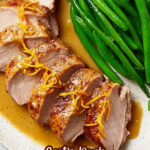
Slice your rested duck breasts across the grain, arrange on plates, and spoon that luscious orange sauce over the top. I love adding thin orange zest strips as a fragrant garnish that also looks stunning. Now, savor every bite—you earned it.
Top Tip
From my experience, this Duck à l'Orange Recipe goes from great to unforgettable when you give attention to certain little details. These tips helped me avoid common pitfalls and bring out the best in each component.
- Score Carefully: Don’t rush the scoring—cut just enough to render the fat without cutting into meat for ultra-crispy skin.
- Pat Dry: Moisture is the enemy of crisp skin, so always pat duck breasts dry before seasoning and cooking.
- Low and Slow to Render: Cook duck skin side first at medium heat to let fat render slowly and evenly instead of burning.
- Don’t Skip Resting: Giving your duck time to rest after cooking locks in moisture—your sliced duck will be juicy and tender every time.
How to Serve Duck à l'Orange Recipe

Garnishes
I keep it simple but elegant—thin strips of orange zest both brighten the presentation and add an aromatic pop. Sometimes I toss fresh parsley or a sprig of thyme for a rustic touch. The contrast of glossy sauce and fresh zest makes the dish feel special without extra fuss.
Side Dishes
I usually serve this Duck à l'Orange Recipe with buttery mashed potatoes or a silky parsnip purée to soak up the sauce. Roasted seasonal vegetables like Brussels sprouts or carrots add earthiness and color. For a lighter balance, citrusy arugula salad with toasted nuts makes a fresh partner.
Creative Ways to Present
For celebrations, I’ve arranged sliced duck in a fan shape on a large platter with orange segments and edible flowers for a wow factor. Drizzling extra sauce artistically around the plate and finishing with microgreens works wonders for an impressive plating that’s still approachable.
Make Ahead and Storage
Storing Leftovers
Leftover duck keeps really well in an airtight container in the fridge for up to 2 days. I find wrapping it tightly and storing sauce separately helps prevent sogginess if you plan to reheat later.
Freezing
You can freeze cooked duck breasts with the sauce, though texture is best if eaten within a month. Use freezer-safe containers and thaw overnight in the fridge before reheating gently.
Reheating
Reheat leftover duck slowly in a warm oven (about 300°F) covered loosely with foil to keep moisture in. Heat sauce separately on the stove and combine before serving to keep everything fresh and vibrant.
Frequently Asked Questions:
Yes, you can use a whole duck, but cooking times will be significantly longer and more involved. Using duck breasts makes this version much faster and easier, especially if you’re short on time. If you do use a whole duck, consider roasting it slowly and preparing the sauce as described.
Absolutely! If you don’t have orange liqueur on hand, you can substitute with extra orange zest and a splash of fresh orange juice or a bit of brandy. The liqueur adds depth and sweetness, but these substitutes keep the bright citrus flavor strong.
The ideal doneness is medium rare to medium—around 140°F in the center. The meat should be pink and juicy, not dry. Using an instant-read thermometer is the best way to check. Rest the duck breasts after cooking for about 5 to 10 minutes to let juices redistribute.
You can make the orange sauce ahead and reheat it gently before serving. Store it in an airtight container in the fridge for up to 2 days. When reheating, warm slowly and stir in a little butter to bring back its silky texture.
Final Thoughts
This Duck à l'Orange Recipe remains one of my favorite dishes to prepare when I want to impress without stress. The rich, succulent duck balanced with that bright, tangy sauce always makes dinner feel special. I bet once you try it, you’ll want to make it again for your next gathering or cozy night in. Give it a go—you’ll be smiling at every luscious bite!
Print
Duck à l'Orange Recipe
- Prep Time: 15 minutes
- Cook Time: 20 minutes
- Total Time: 35 minutes
- Yield: 2 servings
- Category: Main Course
- Method: Stovetop
- Cuisine: French
Description
Duck à l'Orange is a classic French dish featuring tender duck breasts cooked to juicy perfection and served with a tangy, sweet orange sauce made from orange liqueur, marmalade, and fresh zest. This recipe offers a streamlined approach using duck breasts instead of a whole duck for quicker preparation without sacrificing rich flavor.
Ingredients
Duck
- 2 duck breast halves
- Salt to taste
- 1 tablespoon reserved duck fat
- 1 tablespoon butter
- 1 teaspoon all-purpose flour
Orange Sauce
- 1 cup chicken broth
- 2 tablespoons orange liqueur (such as Grand Marnier®)
- 1 tablespoon sherry vinegar
- 1 tablespoon Seville orange marmalade, or more to taste
- 2 teaspoons grated orange zest
- 1 pinch cayenne pepper
Instructions
- Prepare the duck: Score the duck skin almost all the way through in a crosshatch pattern. Generously season the duck breasts with salt, rubbing it into all sides. Let them rest skin-side up at room temperature for 15 minutes to enhance flavor and tenderness.
- Make orange sauce mixture: In a small bowl, whisk together chicken broth, orange liqueur, sherry vinegar, orange marmalade, grated orange zest, and cayenne pepper until combined. Set aside.
- Dry and season duck: Pat the duck breasts dry with paper towels. Re-season the skin side of each breast with salt to ensure crispy skin during cooking.
- Cook duck breasts: Heat the reserved duck fat in a heavy skillet over medium heat for 2 minutes. Place the duck breasts skin-side down in the skillet. Cook for about 6 minutes until the fat renders and the skin crisps up beautifully.
- Finish cooking duck: Flip the duck breasts and continue cooking for about 4 minutes more until the meat firms up but remains reddish-pink and juicy at the center. An instant-read thermometer should read 140 degrees F (60 degrees C). Remove the duck to a plate and let rest while preparing the sauce. Pour any rendered duck fat into a glass jar for future use.
- Make the orange sauce: Return the skillet to medium heat and whisk in the flour. Cook, stirring constantly, for about 1 minute until the flour fully incorporates and becomes fragrant. Pour in the previously mixed orange sauce. Bring to a boil and cook 3 to 5 minutes until thickened and reduced.
- Finish sauce: Reduce heat to low. When the mixture stops bubbling, add the butter and stir until fully melted and incorporated, creating a smooth, glossy sauce. Season with salt to taste.
- Serve: Slice the rested duck breasts across the grain. Arrange on serving plates and spoon the warm orange sauce over the top. Garnish with thin strips of orange zest for extra aroma and presentation. Enjoy immediately.
Notes
- This recipe uses duck breasts instead of a whole duck to shorten cooking time while preserving authentic flavor.
- Scoring the skin allows fat to render evenly and produces crispy skin.
- Letting the duck rest at room temperature before cooking helps achieve even cooking throughout.
- Use a meat thermometer to check for medium-rare doneness at 140°F (60°C) for juicy duck breasts.
- Reserve rendered duck fat for future cooking; it adds excellent flavor to roasted vegetables or potatoes.
- Adjust the amount of marmalade to taste for sweeter or more tart sauce.
Nutrition
- Serving Size: 1 serving
- Calories: 354 kcal
- Sugar: 12 g
- Sodium: 593 mg
- Fat: 21 g
- Saturated Fat: 8 g
- Unsaturated Fat: 0 g
- Trans Fat: 0 g
- Carbohydrates: 15 g
- Fiber: 0 g
- Protein: 20 g
- Cholesterol: 130 mg




Leave a Reply